

data collection and verification
Data collection and verification aim to measure the conversion rate from conventional to sustainable materials.
4s MATERIALS therefore recognises, in the calculation of the conversion percentage, a set of certifications, initiatives and patents that are continuously updated in the 4s Materials Library, ensuring consistency with these objectives.
verification and improvement pathway
The verification process and improvement pathway for 4s MATERIALS are based on factors such as:
• % conversion of input raw materials;
• % conversion of input raw materials by material type;
• adoption of recognised certified management systems;
• number of articles or output volume, compared to the total collection, characterised by recognised 4s sustainability attributes ;
• execution of LCA studies on representative products within the collection.
the improvement pathway
MATERIALS 4sustainability® enables companies to define a performance improvement plan based on achieved results. A team of experts supports companies in navigating the complex landscape of environmental labels and certifications, identifying the most credible and market-relevant options – such as FSC, GOTS, GRS, RWS – and providing guidance throughout the certification process.
product footprint: the LCA calculation
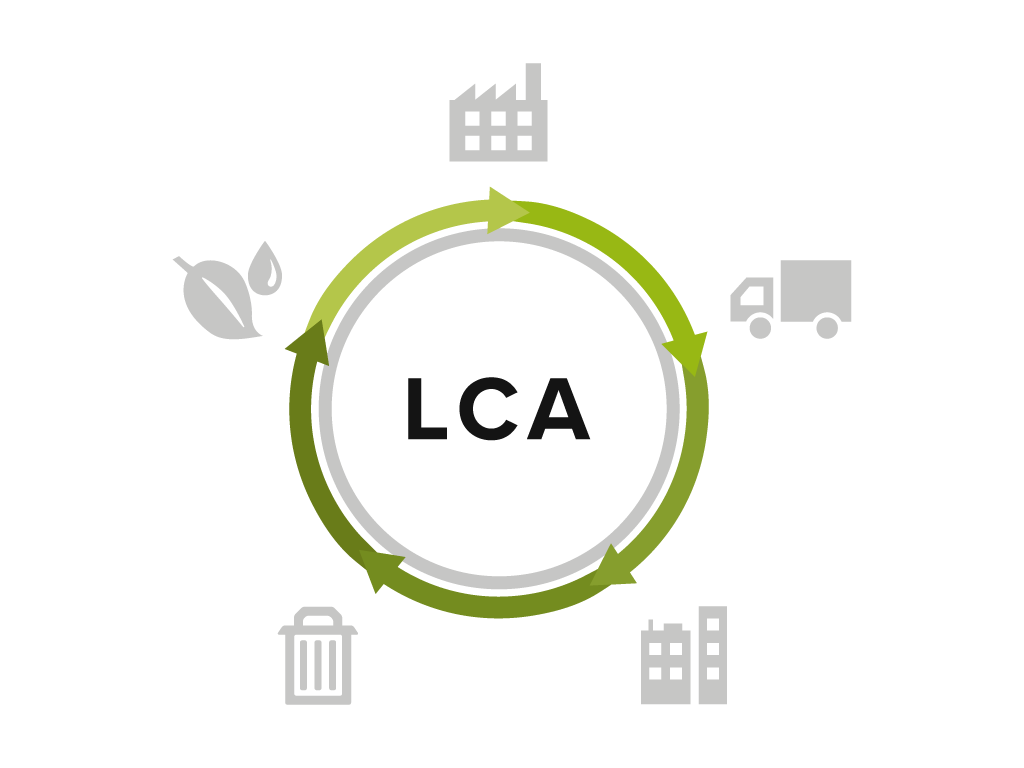
Among the materials initiatives demonstrating a company’s commitment to impact measurement and reduction, particular emphasis is placed on materials supported by Life Cycle Assessment (LCA) calculations.
Through LCA methodology, companies are supported in assessing product impacts and in the certification process aligned with international standards such as EPD – Environmental Product Declaration and PEF – Product Environmental Footprint.
the importance of sustainable materials in the fashion industry
Sustainable materials are essential to reducing the impact of finished products. Raw materials and processing methods must be innovated to minimise their environmental footprint. Supply chain companies that apply lower-impact design approaches, material selection and production processes can effectively participate in responsible supply chains for sustainable end products. From a Digital Product Passport (DPP) perspective, certified sustainable materials, traceable processes and reduced-impact production are essential to meet regulatory requirements and market expectations.